
Diarrhea in Dogs: Rice as Immediate Support and When to See the Vet 2025
Dog diarrhea rice ✓ First aid with bland rice diet ✓ Feeding recommendation & preparation ✓ When to see the vet immediately ✓ Emergency checklist ✓ Scientifically grounded ✓ [Read now]
⚖️ Legal Notices
Important information: This article is for general information and education only. It does not replace individual veterinary advice, diagnosis, or treatment.
Veterinary consultation: If your dog has health problems, always consult a veterinarian. Only a veterinarian can make a correct diagnosis and recommend appropriate treatment.
Dietary supplements: The dietary supplements mentioned in this article are not a substitute for veterinary treatment and cannot replace such treatment.
Scientific basis: Last updated: September 2025
🚨 START HERE: Emergency Decision Tree (30 Seconds)
Has your dog had diarrhea for less than 24 hours?
├─ YES, but he is alert and drinking → ✅ Continue to rice-based bland diet (see below) ├─ YES, but he is also vomiting → ⚠️ Jump to Emergency signs ├─ YES, but blood is visible in the stool → 🏥 See the vet immediately (within 2-4 hours) ├─ NO, lasting longer than 48 hours → 🏥 Go to the vet directly └─ NO, puppy under 6 months → 🏥 See the vet immediately (risk of dehydration)
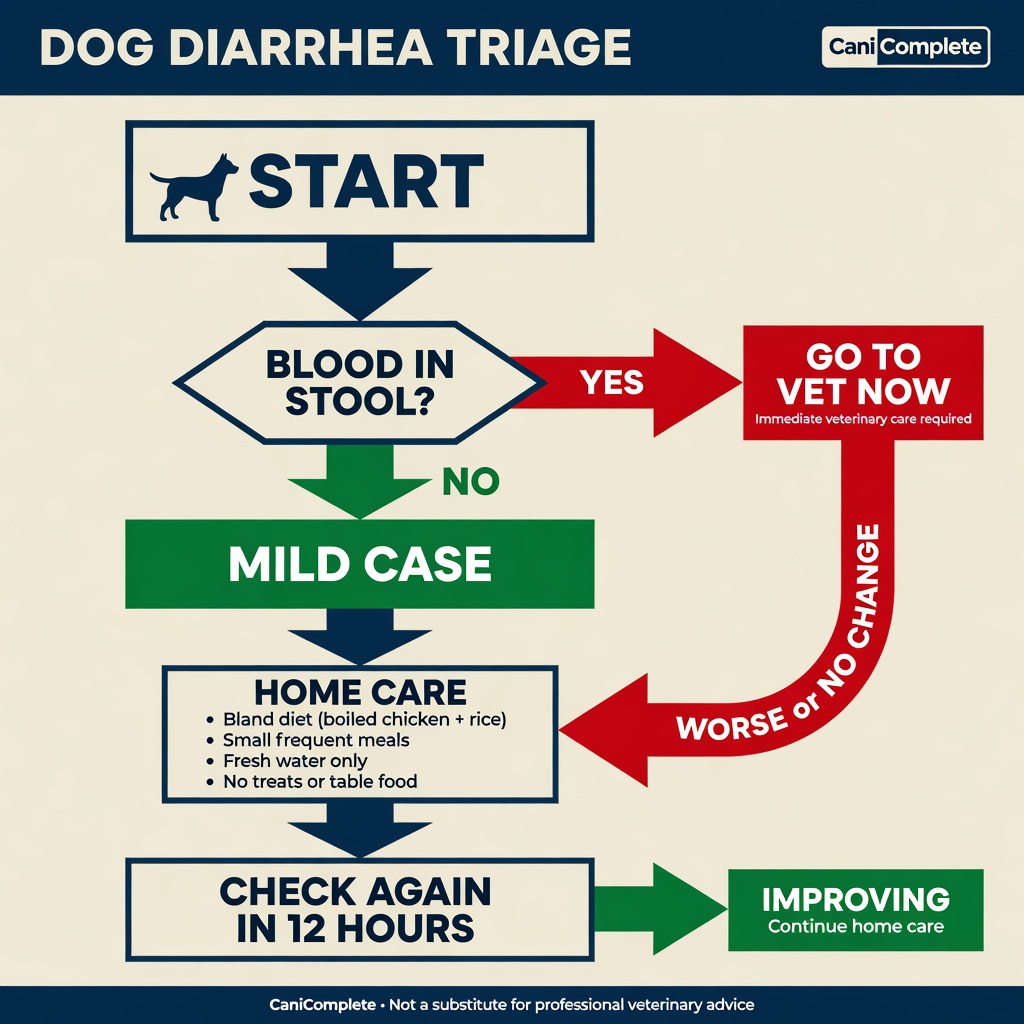 Emergency decision tree: 30-second check - When you must act immediately for
diarrhea
Emergency decision tree: 30-second check - When you must act immediately for
diarrhea
Why is rice often fed during diarrhea?
Rice is one of the safest and most effective immediate measures for acute diarrhea in dogs, since its easily digestible carbohydrates can soothe the irritated intestine and bind excess fluid. As part of a bland diet, cooked rice can stabilize digestion and provide quick relief for the dog - but only in uncomplicated cases and never as a substitute for veterinary treatment when severe symptoms are present.
TL;DR - The key points: • Rice can soothe the irritated intestine and bind excess fluid • Only for mild diarrhea without blood, fever, or vomiting • Preparation: Soft-cooked, unseasoned, with lean meat • See the vet immediately if: blood, fever, lethargy, dehydration • Small portions every 2-3 hours for 24-48 hours
Table of Contents
- Understanding diarrhea in dogs
- When rice can help
- Proper preparation of rice bland diet
- Feeding recommendation and feeding schedule
- Recognizing emergency signs
- Additional home remedies
- Probiotics and gut restoration
- Preventing diarrhea
- When professional help is needed
- Aftercare and return to normal feeding
Causes and Mechanisms
Most common diarrhea triggers:
Current veterinary studies analyze thousands of diarrhea cases in dogs and categorize the main causes. The World Small Animal Veterinary Association (WSAVA), in its ENOVA guidelines for acute diarrhea in dogs, documents that around 90% of cases are mild.
-
Food change: A switch that is too sudden places stress on digestion
-
Spoiled food: Bacterial contamination or rancidity
-
Food intolerance: Lactose, gluten, certain proteins
-
Overeating: Too much food overloads the digestive system
-
Bacterial infections: Salmonella, Campylobacter, clostridia
-
Viral infections: Parvovirus, coronavirus, rotavirus
-
Parasitic infections: Worms, Giardia, coccidia
-
Fungal infections: Rare, usually in immunocompromised animals
-
Psychological stress: Move, new environment, separation
-
Heat stress: Overheating on hot days
-
Medications: Antibiotics, NSAIDs, chemotherapy
-
Toxins: Cleaning products, plants, chocolate
Diarrhea Classification
Acute vs. chronic diarrhea:
Acute diarrhea (less than 3 days):
- Frequency: 3-6 bowel movements per day
- Consistency: Watery to mushy
- Associated symptoms: Usually few systemic effects
Chronic diarrhea (longer than 3 weeks):
- Persistent: Continuously ongoing
- Recurrent: Returning episodes
- Systemic effects: Weight loss, dehydration
- Diagnostics: Extensive examinations required
Severity classification:
| Grade | Consistency | Frequency/day | Associated symptoms | Treatment |
|---|---|---|---|---|
| Mild | Soft-mushy | 3-4x | None | Bland diet |
| Moderate | Watery | 5-8x | Few | Vet consultation |
| Severe | Watery + blood | >8x | Fever, vomiting | Emergency |
Scientific Basis for Rice Support
Mechanisms of action:
Scientific research into veterinary dietetics examines the properties of rice in gastrointestinal disorders. A historical study from 1966 already documented the effectiveness of a lamb-and-rice diet in supporting dogs with chronic diarrhea (PMID: 6007945). Cornell University College of Veterinary Medicine continues to recommend mild bland diets with rice as a first measure for acute diarrhea in dogs.
Starch-binding properties:
- Swelling capacity: Can absorb 6-8 times its volume in fluid
- Consistency improvement: Forms firmer stool
- Transit time: Slows intestinal passage for better water reabsorption
Prebiotic effect:
- Butyrate production: Short-chain fatty acids nourish the intestinal epithelium
- pH stabilization: Slightly acidic environment inhibits pathogenic bacteria
- Microbiome balance: Can support regeneration of the gut flora
Energy supply:
- Glucose density: Rapid energy provision without stressing the gut
- Electrolyte-neutral: No additional osmotic load
- Hypoallergenic: Allergic reactions are rare
Indications for Rice-Based Bland Diet
Ideal use cases:
Mild diarrhea syndrome:
- Duration: Symptoms for less than 24 hours
- General condition: Dog is alert, drinking, showing interest
- Stool characteristics: Soft to mushy, without blood or mucus
- Associated symptoms: No signs of dehydration or fever
Post-antibiotic diarrhea:
- Microbiome disturbance: After antibiotic treatment
- Rebuilding: Gentle support for the gut flora
- Prebiotic function: Promotes beneficial bacteria
- Combination therapy: Particularly effective with probiotics
Travel-induced diarrhea:
- Stress-related: New environment, altered routine
- Food change: Unfamiliar food while traveling
- Calming effect: Familiar, well-tolerated food
- Practicality: Easy to obtain and prepare
Optimal Cooking Methods
Basic recipe for diarrhea rice:
Ingredients for a 10 kg dog (1 day):
- 150 g rice: Preferably long-grain rice or jasmine rice
- 100 g lean meat: Chicken breast or very lean beef
- 1 liter water: For cooking the rice
- 1 pinch salt: Optional, only in case of significant fluid loss
[IMAGE NEEDED: Photo of measured ingredients laid out - rice, chicken breast, measuring cups]
Step-by-step preparation:
1. Preparing the rice:
- Rinse rice under cold water until the water runs clear
- 1:3 ratio of rice to water (more water = softer)
- Cook for 20-25 minutes over low heat
- Rice should be very soft and mushy
[IMAGE NEEDED: Photo of properly cooked rice with soft, mushy consistency]
2. Preparing the meat:
- Cut chicken breast into small cubes
- Cook in a separate pot with a little water
- Do not use oil or spices
- Cook the meat thoroughly (75°C core temperature)
3. Combining:
- Mix the meat into the cooked rice
- Ratio: 2/3 rice, 1/3 meat
- Let cool to room temperature
- Store in the refrigerator for a maximum of 2 days
Alternative Preparation Forms
Rice porridge for very sensitive dogs:
- Extra cooking time: 30-40 minutes for a creamy consistency
- More water: 1:4 or 1:5 ratio
- Pureeing: Use an immersion blender for a baby-food-like texture
- Portioning: Smaller amounts every 2 hours
Rice water as electrolyte substitute:
- Cooking water: First 15 minutes of cooking
- Straining: Collect the cloudy, starchy water
- Administration: After consulting the veterinarian
- Temperature: Room temperature or slightly chilled
Frozen rice portions:
- Preparation: Cook larger quantities in advance and portion
- Freezing: In ice cube trays or small containers
- Shelf life: 2-3 months at -18°C
- Thawing: In the refrigerator or at room temperature
Meat Alternatives
Cottage cheese combination:
- Low-fat cottage cheese: 2-3 tbsp per 100 g rice
- Protein source: Easily digestible, probiotic cultures
- Calcium bonus: Additional mineral supply
- Acceptance: Often preferred over plain meat
Egg-protein variant:
- Boiled egg: 1 egg per 150 g rice
- Egg white only: For very sensitive stomachs
- Preparation: Hard-boiled, finely chopped
- Digestibility: Biological value 100
Portioning by Body Weight
Daily amounts by body weight:
Important: The exact feeding amount should be agreed individually with your veterinarian, as it depends on factors such as size, weight, health status, and your dog's specific needs.
| Weight class | Body weight | Feeding frequency |
|---|---|---|
| Toy breeds | 2-5 kg | 6-8x daily |
| Small dogs | 5-15 kg | 5-6x daily |
| Medium dogs | 15-30 kg | 4-5x daily |
| Large dogs | 30-50 kg | 3-4x daily |
| Giant breeds | >50 kg | 3-4x daily |
Further information on individualized feeding can be found at:
- Bundestierärztekammer
- Your treating veterinarian
[IMAGE NEEDED: Infographic showing portion sizes for different dog weights - visual comparison with bowls or hands for scale]
24-hour feeding schedule:
[IMAGE NEEDED: Timeline infographic showing 24-hour feeding schedule with clock icons and meal portions]
Day 1 (acute phase):
- Several small meals distributed throughout the day
- About 2-3 hours between meals
- Room-temperature food
- Always fresh water available
Day 2-3 (stabilization):
- Portions may become slightly larger
- Reduce feeding frequency to 4x daily
- Continue bland diet
- Carefully monitor bowel movements
Transition Scheme Back to Normal Feeding
Gradual return (Day 4-7):
-
Slowly introduce the regular food
-
Continue feeding 4x daily
-
Carefully monitor bowel movements
-
Mix equal parts
-
If deterioration occurs: return to a pure bland diet
-
Monitor water intake
-
Almost normal feeding
-
Reduce to 3x daily
-
Resume normal activity
-
Full return to the usual diet
-
Reduce to 2x daily (or usual frequency)
-
Continue monitoring bowel movements
Water Intake and Hydration
Fluid requirements during diarrhea:
- Normal: 50-60 ml per kg body weight daily
- With diarrhea: 80-100 ml per kg daily
- Offer: Always provide fresh water
- Check: Skin elasticity test (skin fold 1-2 seconds)
Electrolyte support:
- Light salting: 1 pinch salt per liter of cooking water
- Chicken broth: Unseasoned, homemade
- Electrolyte solutions: Special dog electrolytes according to veterinary recommendation
- Caution: No human sports drinks
Warning Signs for Immediate Veterinary Consultation
Life-threatening symptoms:
[IMAGE NEEDED: Infographic showing emergency warning signs with icons - blood, fever thermometer, lethargy, dehydration signs]
Blood in stool:
- Bright red blood: Bleeding in the lower intestinal tract
- Tarry stool: Black, sticky stool (upper GI bleeding)
- Mucus mixed in: Indication of intestinal inflammation
- Immediate treatment: See the vet within 2-4 hours
Signs of dehydration:
- Skin tent test: Skin fold remains standing for longer than 2 seconds
- Dry mucous membranes: Gums sticky, not moist
- Sunken eyes: Clearly visible eye sockets
- Weakness: Dog can no longer stand properly
Systemic deterioration:
- Fever: Body temperature above 39.5°C
- Hypothermia: Temperature below 37.5°C (critical)
- Vomiting: In addition to diarrhea
- Lethargy: Dog does not respond to being addressed
Dehydration Monitoring
Simple home tests:
Skin tent test:
- How to perform: Lift the skin fold at the neck
- Normal: Fold disappears immediately (<1 second)
- Mild dehydration: 1-2 seconds to return
- Severe dehydration: >3 seconds or remains standing
[IMAGE NEEDED: Photo demonstration of skin tent test being performed on dog's scruff]
Gum test:
- Color: Normally pink, pale or gray when dehydrated
- Moisture: Should be moist and shiny
- Capillary refill: Press finger on the gums, color returns in <2 sec.
- Sticky: Clear sign of fluid deficit
48-Hour Rule
When rice support is sufficient:
- Improvement after 24h: Stool becomes firmer, less frequent
- Normal general condition: Dog remains active and attentive
- Drinks normally: Good fluid intake
- No additional symptoms: No vomiting, no fever
When professional help is needed:
- No improvement after 48h: Rice diet shows no effect
- Deterioration: Symptoms increase instead of decreasing
- New symptoms: Vomiting, fever, weakness appear
- Recurrence: Diarrhea returns after brief improvement
What to Do if Rice Bland Diet Does Not Help After 24h
Checklist for lack of improvement:
Step-by-step troubleshooting:
-
Check preparation:
- Was the rice cooked soft enough? (20-25 min required)
- Was the meat prepared fat-free?
- Is the ratio correct? (2/3 rice, 1/3 lean protein)
-
Adjust portion sizes:
- Reduce portion size
- Feed more often (every 1-2 hours)
- Let the dog eat slowly (no gulping)
-
Switch to plain rice water:
- Only the cooking water for 12 hours
- After consulting the veterinarian
- This can soothe the intestine as much as possible
-
Add probiotics:
- Contact your veterinarian for a probiotic recommendation
- Lactobacillus cultures can speed recovery
- Dosage according to veterinary instruction
-
If deterioration occurs:
- Go to the veterinary clinic immediately if symptoms increase
- Dehydration can become critical within 24h
- Puppies and seniors are at particular risk
Warning signs for a vet visit despite the rice diet:
- Lethargy increases instead of improving
- Diarrhea becomes more watery
- Dog refuses water
- Gums become sticky or pale
[IMAGE NEEDED: Troubleshooting flowchart showing 5 steps with decision points]
Proven Supporting Measures
Chamomile tea to soothe the intestine:
Preparation:
- 1 tsp dried chamomile flowers in 200 ml hot water
- Steep for 5 minutes, then strain
- Allow to cool completely before administration
- Administration: After consulting the veterinarian
Mechanisms of action:
- Bisabolol: Anti-inflammatory, antispasmodic
- Matricin: Can soothe irritated mucous membranes
- Flavonoids: Antioxidant and antimicrobial effects
- Essential oils: Mild antiseptic
Electrolyte balance:
Homemade electrolyte solution: The administration of electrolyte solutions should only be done on veterinary instruction. Your veterinarian can recommend a suitable composition tailored to your dog's specific needs.
Use:
- Room temperature: Do not give cold or hot
- Small amounts: According to veterinary instruction
- Improving acceptance: Can be mixed with a little chicken broth
- Duration: Only during the acute phase, according to veterinary recommendation
Prebiotics and Gut Support
Psyllium husks as a gut regulator:
- Swelling properties: Binds 40x its own weight in water
- Two-way use: some owners use psyllium for both loose stool and constipation. That is not a treatment.
- Administration: According to veterinary instruction
- Intake: Mix with plenty of water
Pectin-rich foods:
- Apple (grated): Small amounts after veterinary consultation
- Carrot (cooked): Soft-cooked and pureed
- Pumpkin: Only the flesh, cooked
- Effect: Binds toxins and water in the intestine
Probiotic Support
Dog-safe probiotics:
- Lactobacillus acidophilus: Dosage according to veterinary instruction
- Bifidobacterium bifidum: Supports the gut barrier
- Enterococcus faecium: Specifically suitable for dogs
- Timing: 2 hours after the rice meal
A systematic review and meta-analysis by Scahill et al. (2024) (PMID: 38049062) for the European Network for Optimization of Antimicrobial Therapy (ENOVAT) shows that nutraceutical preparations such as probiotics can represent promising alternatives.
The latest research from 2025 by Muñoz-Flores et al. (PMID: 40782189) with microencapsulated probiotic strains (Lactiplantibacillus plantarum and Lacticaseibacillus rhamnosus) from canine colostrum shows improvements in stool consistency through increased adhesion (up to 92%) and offers a safe alternative.
Natural probiotic sources:
- Plain yogurt: Unsweetened, lactose-free
- Kefir: In small amounts (1-2 tsp)
- Sauerkraut juice: Only the juice, no solids
- Caution: Many dogs do not tolerate dairy products
The Reality: Not Every Diarrhea Case Responds to Rice
This section helps you:
- Recognize early when rice is not enough
- Systematically identify causes
- Decide when a veterinary visit is unavoidable
- Understand alternative approaches
Scenario 1: "I fed rice for 48h - diarrhea remains unchanged"
What this means: Simple acute diarrhea usually improves within 24-48h on a bland diet. Lack of improvement suggests deeper underlying causes.
Step-by-step diagnosis:
A) Check your rice preparation: Common mistakes that sabotage effectiveness:
- ❌ Too little water: Rice must be mushy (ratio 1:3 or more)
- ❌ Fat not removed: Chicken skin or fatty meat used
- ❌ Portions too large: Overloading the stomach prevents healing
- ❌ Feeding too infrequently: 2x daily is too little - ideally 4-6x small portions
Self-correction:
- Cook rice even mushier (double the water amount)
- Halve portions, double frequency (6x daily)
- Completely fat-free (only breast meat, no skin)
Time window: Improvement visible 24h after correction?
- ✅ Yes → Continue with optimized protocol
- ❌ No → Continue to B)
B) Identify ongoing contamination sources:
"Saboteurs" of the healing process:
- 🚨 Family members secretly feeding treats (most common cause!)
- 🚨 Dog eating feces (its own or from other dogs) → reinfection
- 🚨 Access to trash/compost (dog scavenges at night)
- 🚨 Steals cat food (higher fat content than dog food)
- 🚨 Garden: toxic plants, rotten fruit, slug pellets
Forensics checklist:
- All household members informed: STRICTLY NO TREATS?
- Cat litter box made inaccessible to the dog?
- Trash cans secured against dogs?
- Dog observed eating EVERYTHING off the ground while walking?
- Garden checked for toxic plants (yew, rhododendron)?
Action: 24h of ABSOLUTE control - dog ONLY within sight, no free access to garden/other rooms.
Time window: Improvement within 24h under absolute control?
- ✅ Yes → Contamination source identified, fix it
- ❌ No → Continue to C)
C) Switch to an alternative bland-diet carbohydrate:
Some dogs do not tolerate rice optimally.
Reasons:
- Rice allergy (rare, but possible)
- Too high glycemic index worsens intestinal inflammation
- Insufficient fiber for a specific intestinal problem
Alternative carbohydrate sources (48h test):
Option 1: Potatoes
- Advantage: Low GI, easy to digest, gluten-free
- Preparation: Peeled, well cooked, WITHOUT skin or green spots
- Administration: Like rice - small portions 6x daily
Option 2: Oat porridge
- Advantage: Forms a protective layer in the intestine, soothing
- Preparation: Cook fine oats with 3 times the amount of water into a porridge
- Special note: Very good for inflammatory diarrhea
Option 3: Sweet potato
- Advantage: Rich in prebiotics, promotes good gut bacteria
- Preparation: Peeled, cooked very soft, pureed
- Caution: Not for diabetes (high sugar content)
Time window: Improvement within 48h on alternative bland diet?
- ✅ Yes → Rice was the problem, continue the alternative
- ❌ No → VETERINARY CONSULTATION is mandatory (see scenario 3)
Scenario 2: "Diarrhea improved, then suddenly got worse again"
What this means: Relapse after initial response suggests: 2. Incomplete gut healing (mucosa still damaged) 3. New contamination/stress 4. Secondary infection developing
Step-by-step analysis:
A) Check food transition:
Common mistakes during the transition:
- ❌ Original food: Going straight back to hard-to-digest food
- ❌ No probiotics: Microbiome not supported
CORRECTION - Ultra-gradual transition:
- Day 17-21: Gradual transition to normal food (5 days)
B) Identify stress triggers:
Hidden stressors that can trigger relapse:
- 🔴 Routine change: Owner back at work, dog alone
- 🔴 New pet: Cat, second dog → competition stress
- 🔴 Visitors: Strangers in the house
- 🔴 Heat cycle: Hormonal changes (female dogs/males)
- 🔴 Weather change: Sudden cold spell, storm
Anti-stress measures:
- Consistent routine (same feeding times)
- Retreat area for the dog (quiet room)
- Natural calming aids after veterinary recommendation
- Longer, calm walks (stress reduction)
C) Rule out secondary infection:
Warning signs of bacterial/parasitic complication:
- 🚨 Blood in stool (fresh red blood or black tarry stool)
- 🚨 Mucus added (gel-like consistency)
- 🚨 Fever develops (>39.5°C rectal)
- 🚨 Lethargy increases (dog refuses even rice)
- 🚨 Vomiting is added (was not present before)
ACTION for ANY of these signs: → SEE THE VET IMMEDIATELY - bring a stool sample (parasites, bacterial culture)
Possible causes:
- Giardiasis: Tricky parasite, requires specific medication
- Clostridial overgrowth: Antibiotics needed
- Campylobacter/Salmonella: Zoonotic (human transmission possible)
Scenario 3: "When is a veterinary visit truly INDISPENSABLE?"
Absolute emergency criteria (vet within 2-6 hours):
🚨 CRITICAL WARNING SIGNS - NO SELF-TREATMENT:
- Puppies <6 months: Any diarrhea >6h (dehydration extremely fast)
- Severe blood in stool: Fresh red or black blood (intestinal bleeding)
- Vomiting + diarrhea combined: Dehydration accelerates
- Collapse/weakness: Dog cannot stand up
- Pale gums: Sign of shock/anemia
- Bloated abdomen: Risk of gastric torsion (life-threatening)
- Seizures: Neurological complication
- Suspected poisoning: Known/suspected contact with toxins
⚠️ URGENT (vet within 12-24h):
- Diarrhea >48h despite bland diet: No improvement visible
- Signs of dehydration: Skin remains standing (neck skin fold test)
- Loss of appetite >48h: Also refuses bland diet
- Signs of pain: Whining, hunched posture, sensitivity to touch
- Fever >39.2°C: (Normal: 37.5-39°C)
📅 IMPORTANT (vet within 3-5 days):
- Chronic diarrhea: Recurrent over weeks/months
- Mucous stool: Persisting for 3+ days
- Weight loss despite appetite: Malabsorption possible
- Behavior change: Lethargy, withdrawal, aggression
Scenario 4: "My dog has special needs"
Puppies (6-24 weeks):
Special features:
- Dehydration can become life-threatening within 4-6h
- Risk of hypoglycemia (low blood sugar)
- Immature immune system
- Parasites common (worms, Giardia)
Adjusted protocol:
- Rehydration priority: Electrolyte solution according to veterinary instruction
- Rice bland diet with honey: 1/4 tsp honey per 100 g rice (against low blood sugar)
- Even smaller portions: 8-10x daily (instead of 6x)
- Lower VET THRESHOLD: Consult after just 12h without improvement
- Never fast a puppy: Puppies need continuous nourishment
Seniors (>8 years):
Special features:
- Concomitant diseases common (kidney, liver, heart)
- Possible medication interactions
- Weaker immune system
- Longer convalescence
Adjusted protocol:
- Medication check: Could diarrhea be a side effect? (NSAIDs, antibiotics)
- Electrolytes essential: Risk of cardiac rhythm disturbances if imbalanced
- Vet early: Consult after 24-36h
- Longer bland-diet phase: 5-7 days instead of 2-3 days
Chronically ill dogs:
Diabetes mellitus:
- Problem: Rice raises blood sugar significantly
- Alternative: Oat porridge or sweet potato (lower GI)
- Monitoring: Check blood sugar more often during diarrhea
- Insulin adjustment: Discuss with the veterinarian (absorption changes)
Kidney insufficiency:
- Problem: Protein restriction necessary, electrolyte imbalance dangerous
- Adjustment: Rice without chicken, only with a little cottage cheese
- Monitoring: Water intake, urine output
- Veterinarian: Must be informed (intravenous fluids may be needed)
Allergic/sensitive dogs:
Food allergy:
- Problem: Chicken is a common allergen
- Alternative proteins: Turkey, lamb, venison, rabbit
- Potato instead of rice: If grain sensitivity is present
- Elimination principle: Use only ONE protein source
Extended Dehydration Monitoring
The Dehydration Risk Score (DRS):
Rate your dog (0-3 points per category):
Category 1: Skin Tent Test (neck fold)
- 0 points: Skin snaps back immediately (<1 second)
Category 2: Gum Moisture
- 0 points: Moist, shiny
- 1 point: Slightly dry, but still smooth
- 2 points: Clearly dry, sticky
- 3 points: Extremely dry, cracked
Category 3: Eye Appearance
- 0 points: Clear, shiny, normal eyelid tension
- 1 point: Slightly dull sheen
- 2 points: Appearing sunken, dull cornea
- 3 points: Clearly sunken (dog looks "hollow-eyed")
Category 4: Behavior/Energy
- 0 points: Normally active, plays
- 1 point: Slightly sluggish, but responsive
- 2 points: Lethargic, hardly responds when addressed
- 3 points: Apathic, moves very little or not at all
Category 5: Urine Output
- 0 points: Normally light yellow, normal amount
- 1 point: Dark yellow, slightly reduced amount
- 2 points: Orange-brown, strongly reduced
- 3 points: No urination for >8h (EMERGENCY)
TOTAL SCORE INTERPRETATION:
0-3 points (Mild/No dehydration):
- ✅ Home treatment safe
- Oral electrolyte solution according to veterinary recommendation
- Continue bland diet
- Monitor every 6h
4-7 points (Moderate dehydration):
- ⚠️ VET CONSULTATION within 12-24h
- Subcutaneous fluids possible (by veterinarian)
- Intensive oral rehydration according to veterinary instruction
- Monitor every 2-3h
8-11 points (Severe dehydration):
- 🚨 EMERGENCY - See the vet immediately (2-6h)
- Intravenous fluid therapy required
- Inpatient treatment likely
- Correct electrolyte imbalance
12-15 points (Critical dehydration):
- 🚨🚨 LIFE-THREATENING - Emergency veterinary service now
- Risk of shock
- Organ failure possible
- Intensive monitoring needed
Practical Rehydration Techniques
Oral Rehydration Therapy (ORT) - step by step:
For dogs that drink voluntarily:
- Prepare electrolyte solution (according to veterinary recommendation)
- Room temperature (not cold - may trigger vomiting)
- Small amounts, frequently: According to veterinary instruction
For dogs that refuse to drink:
- Ice cubes made from chicken broth: Licking is easier than drinking
- Syringe (without needle): 2-3 ml into the side corner of the lips
- Mix with food: Cook rice extra liquid
- Wet food smoothie: Wet food pureed with water
Subcutaneous fluid administration (only according to veterinary instruction):
- Some veterinarians train owners for home treatment
- Ringer's lactate solution (do not improvise on your own!)
- Dosage according to veterinary instruction
- Only for moderate dehydration, not for emergencies
Microbiome Rebuilding After Diarrhea
Post-diarrhea gut flora regeneration:
Microbiome research tracks the development of gut flora after acute diarrhea over several weeks. A randomized, placebo-controlled study with 36 dogs showed that probiotic interventions can significantly shorten convalescence time in acute self-limiting diarrhea: 1.3 days vs. 2.2 days in the placebo group (p=0.04) (PMID: 20137007). Another study with 60 dogs documented the normalizing effect of dog-specific probiotics on stool consistency (PMID: 27938673).
Phases of microbiome recovery:
Phase 1: Acute stabilization (Day 1-3)
- Goal: Reduce pathogenic bacteria
- Measures: Bland diet, fluid replacement
- Probiotics: Not yet recommended (may worsen symptoms)
- Monitoring: Stool consistency and frequency
Phase 2: Initial colonization (Day 4-7)
- Starter cultures: Lactobacillus acidophilus, L. casei
- Dosage: According to veterinary instruction or package directions
- Carrier substance: Mixed into the rice bland diet
- Duration: 5-7 days continuously
Phase 3: Diversification (Day 8-21)
- Multi-strain products: 4-8 different bacterial strains
- Higher dosage: According to veterinary instruction
- Prebiotic addition: Inulin, FOS for support
- Normal feeding: Gradual return
Phase 4: Stabilization (Day 22-28)
- Maintenance dose: According to veterinary recommendation
- Preventive administration: 2-3x weekly
- Long-term monitoring: Stool quality and digestion
- Discontinue: If normal status remains stable for 2 weeks
Specific Bacterial Strains
Enterococcus faecium SF68:
- Dog-specific: Natural gut inhabitant in dogs
- Effect: Displaces pathogenic E. coli and Salmonella
- Dosage: According to veterinary instruction depending on dog size
Lactobacillus rhamnosus GG:
- Anti-diarrheal: Shortens diarrhea duration by 24-48 hours
- Immunomodulation: Strengthens local intestinal immunity
- Lactase production: Improves lactose digestion
- Safety: Very well tolerated
Bifidobacterium longum:
- Gut barrier: Strengthens tight junctions between intestinal cells
- Anti-inflammatory: Reduces chronic intestinal inflammation
- Vitamin synthesis: Produces B vitamins and vitamin K
- Age-appropriate: Particularly important for senior dogs
Prebiotics to Support Probiotics
Inulin from chicory:
- Selective fermentation: Only beneficial bacteria use it
- Butyrate promotion: Short-chain fatty acids for the intestinal epithelium
- Dosage: According to veterinary instruction depending on dog size
- Acclimatization: Increase slowly to avoid bloating
Fructooligosaccharides (FOS):
- Immunomodulation: Stimulates Peyer's patches in the intestine
- Calcium absorption: Improves mineral uptake
- pH lowering: Creates a favorable environment for probiotics
- Dosage: According to veterinary instruction
Minimizing Risk Factors
Optimize feeding habits:
Regular feeding times:
- Fixed times: 2x daily at the same time
- Appropriate portions: Avoid overfeeding
- Calm environment: Reduce stress during meals
- Clean bowls: Clean thoroughly every day
Choose high-quality food:
- Digestible proteins: Easily digestible protein sources
- Artificial additives: Avoid preservatives and colorings
- Identify allergens: If known intolerances exist
Introduce food changes properly:
- Minimum duration: 7-10 days transition period
Stress Management
Control environmental factors:
- Maintain routine: Regular walk times
- Safe environment: Create retreat options
- Socialization: Positive experiences with other dogs
- Travel preparation: Slow acclimatization to transport
Psychological factors:
- Separation anxiety: Gradual habituation to being alone
- Noise phobias: Desensitization to thunderstorms/fireworks
- Changes: Introduce new family members slowly
- Territorial security: Establish a fixed sleeping place
Parasite Prevention
Regular deworming:
- Puppies: Every 2 weeks until the 16th week of life
- Adults: Every 3-6 months depending on risk
- Stool examination: 2-3x annually instead of preventive deworming
- Risk groups: Hunting dogs, free-roaming dogs more often
Environmental hygiene:
- Remove feces immediately: Reduce reinfection risk
- Clean water bowls daily: Avoid standing water
- Keep toys hygienic: Wash/disinfect regularly
- Contact with sick animals: Avoid until recovery
Veterinary Diagnostics
Basic examinations at the vet:
History and clinical examination:
- Detailed history: Duration, frequency, consistency of diarrhea
- Feeding history: Last food, treats, access to trash
- Environmental factors: Stress, travel, new environment
- Physical examination: Dehydration, abdominal pain, fever
Laboratory diagnostics:
- Stool examination: Parasites, bacteria, blood, leukocytes
- Blood count: Dehydration, inflammation, electrolyte status
- Biochemistry: Liver, kidney, pancreas values
- Bacteriology: If bacterial infection is suspected
Extended diagnostics in chronic cases:
- Endoscopy: Direct view inside the intestine
- X-ray: Structural abnormalities, foreign body
- Ultrasound: Thickened intestinal wall, organ changes
- Histopathology: Tissue samples for inflammation type
Veterinary Treatment
Symptomatic treatment:
Your veterinarian will recommend suitable treatment based on the diagnosis, which may include the following options:
Intestinal astringents:
- Kaolin-pectin: Natural intestinal astringents
- Probiotic preparations: Support for bacterial gut flora
- Electrolytes: Intravenous in severe dehydration
Specific therapies:
- Antibiotics: Only for confirmed bacterial infection
- Antiparasitic agents: If parasites are detected
- Dietary support: Special diet food
- Probiotic support: Multi-strain preparations
Emergency Care
Inpatient treatment required for:
- Electrolyte imbalance: Shifts in sodium, potassium, chloride
- Systemic complications: Sepsis, shock
- No improvement: After 48h of optimal treatment
Intensive care monitoring:
- Fluid therapy: Intravenous crystalloids
- Electrolyte correction: Targeted balancing of deficits
- Acid-base balance: pH control and buffering
- Cardiovascular monitoring: Heart rate, blood pressure
Gradual Food Transition
14-day rehabilitation program:
Long-Term Gut Health
Preventive measures:
- Regular probiotics: 2-3x weekly as a maintenance dose
- High-quality nutrition: Digestible proteins, moderate fiber
- Stress monitoring: Pay attention to changes in routine/environment
- Weight control: Excess weight burdens the digestive system
Recurring problems:
- Food allergy: Consider elimination diet
- Chronic intestinal disease: Referral to a specialist
- Immune deficiency: Immune-strengthening measures
- Stress-related: Behavioral therapy, anti-stress training
A comprehensive review (PMID: 33187621) evaluates the value of probiotics in gastroenterology in dogs and cats. The analysis shows preliminary evidence of benefits in parvovirus infections and inflammatory bowel disease, although further studies are needed to optimize dosages and strains.
Success Monitoring
Positive signs of recovery:
- Stool consistency: Firmly formed, not hard or soft
- Frequency: 1-2x daily in adult dogs
- Color: Chocolate brown, uniform
- Smell: Normal, not excessively foul-smelling
Warning signs of relapse:
- Soft stool again: Despite slow food transition
- Changed appetite: Sudden refusal or greediness
- Behavior change: Restlessness, increased grass-eating
- Weight loss: Continuous loss despite normal feeding
Sources
Peer-reviewed studies:
- Herstad HK, Nesheim BB, L'Abée-Lund T, Larsen S, Skancke E. Effects of a probiotic intervention in acute canine gastroenteritis--a controlled clinical trial. Journal of Small Animal Practice. 2010. (PMID: 20137007)
- Gómez-Gallego C, et al. A canine-specific probiotic product in treating acute or intermittent diarrhea in dogs: A double-blind placebo-controlled efficacy study. Veterinary Microbiology. 2016. (PMID: 27938673)
- Shmalberg J, Montalbano C, Morelli G, Buckley GJ. A Randomized Double Blinded Placebo-Controlled Clinical Trial of a Probiotic or Metronidazole for Acute Canine Diarrhea. Frontiers in Veterinary Science. 2019. (PMID: 31275948)
- Michaux HR. A mutton and rice diet for treating chronic diarrhea in the dog. Journal of the American Veterinary Medical Association. 1966. (PMID: 6007945)
International guidelines:
- World Small Animal Veterinary Association (WSAVA) - ENOVA Guidelines for Antimicrobial Use in Canine Acute Diarrhea
- Cornell University College of Veterinary Medicine - Riney Canine Health Center: Diarrhea Guidelines
- Merck Veterinary Manual - Acute Hemorrhagic Diarrhea Syndrome in Dogs
Additional professional resources:
- European Society of Veterinary Gastroenterology (ESVG)
Supportive Nutritional Measures
During or after veterinary care for diarrhea, an adjusted diet can support normal intestinal function:
Scientifically Documented Ingredients for Gut Health
- Probiotics (multi-strain): Support normal gut flora in diarrheal illness
- Prebiotics (FOS/GOS): Promote the growth of beneficial gut bacteria
- Digestive enzymes: Support normal nutrient absorption in a weakened gut
- Psyllium husks: Fiber for normal bowel movement and stool consistency
- L-glutamine: Amino acid supporting the intestinal mucosa
📚 Further Reading
- Diarrhea in dogs
- Bland diet for dogs
- Gut restoration for dogs
- Dog food for sensitive stomachs
📚 Further Reading
- Diarrhea in dogs
- Bland diet for dogs
- Gut restoration for dogs
- Dog food for sensitive stomachs
Important notice
The information in this article is for general informational purposes only and does not replace veterinary advice, diagnosis, or treatment.
If your dog has health problems, always consult a qualified veterinarian. Complementary feed is not a substitute for a balanced diet.